




 門診掛號
門診掛號
整形外科的主要看診症狀為:
眼瞼下垂、肢體嚴重外傷、臉部外傷、骨折、身體軟組織受損、先天性顱骨畸形、小手部外傷、肢體嚴重外傷、肢體慢性潰爛、灼(燙)傷、糖尿病足、高壓氧治療、冷凍療法、腋汗症(狐臭)、外科美體雕塑、美容外科、美容微整形。
整形外科的疾病名稱為:
兔唇、顎裂、顏面畸形、傷殘或腫瘤、小耳症、血管瘤、皮膚腫瘤、唾液腺腫瘤、頭頸部腫瘤、腕道症候群、
整形外科的包含之治療方式為:
乳房重建、乳房整型、乳頭乳暈外形修正、美容整形(拉皮抽脂)、缺陷整復、整型手術、雙眼皮、眼袋去除、隆鼻、拉皮、修疤、雷射手術(點痣、去刺青、血管瘤、磨皮、除毛、除皺紋、淡化色素)
向上院區:台中市沙鹿區向上路七段127號 電話:(04)2662-5111
沙鹿院區:台中市沙鹿區沙田路117號 電話:(04)2662-5116
大甲院區:台中市大甲區經國路321號 電話:(04)2688-5599
本院整形外科歷經張教授錫勳及顏醫師錦田開創及發揚,早期整形外科著重在重建整形、外傷修復、燒燙傷、唇顎裂等。因醫學科技日新月異,自民國85年以後,美容整形技術漸抬頭,各種雷射、美容、狐臭、隆乳、顏面拉皮、抽脂等技術,均有突破性之進步,民國85年吳文宏醫師到光田醫院服務,在院長王乃弘博士的支持下,特別引進了各式各樣先進之儀器設備及技術,加上同仁一起努力,逐漸常規化,使許多手術平易可行,可下班來施行,不用空腹,作完回家,使得美容整形貼近生活。同時高壓氧艙於民國89年由院長王博士乃弘所引進,也擔任急救醫療網之一環,挽救人命及救回斷肢。
民國97年5月,本院整形外科更在院長的支持籌劃下,在沙鹿光田第二醫療大樓5樓成立整形美容中心,獨立的手術室及直達停車場的私人電梯,擁有最高隱密性,服務內容包含了先進的內視鏡各項整形手術、雷射、微整形(玻尿酸、注射、肉毒注射)、美療護膚等各項服務,結合了科技健康與美麗。

🔺白斑症是因免疫系統異常,導致黑色素細胞受損或缺失的疾病,常見於雙頰、額頭及四肢等部位 外貌姣好的20歲王姓少年,兩年前發現左額膚色越來越淡。起初他以為曬曬太陽可以改善,特地增加戶外活動,但白斑不但沒有改善,在夏天反而更加明顯,隨著時間推進,他逐漸感受到同儕投來的目光,自信心也大受影響。兩年間,他遍訪中西醫各大醫院求診,嘗試各類藥物與療程,卻始終無法改善。直到近日,他輾轉來到光田綜合醫院整形外科,經吳文宏主任檢查後診斷為「白斑症」。 白斑症是一種因免疫系統異常,導致黑色素細胞受損或缺失的疾病,常見於雙頰、額頭、眼周、鼻部及四肢等部位,患者無法透過日常生活預防。吳文宏主任解釋,若皮膚完全喪失黑色素,即使曝曬陽光也不會變黑,反而因周邊皮膚曬黑使白斑更加明顯。 因此,針對王姓少年的狀況,吳文宏主任採用「黑色素顯微移植」技術,將患者自身健康的黑色素細胞移植至白斑區域。經過九個月治療,他的額頭膚色已完全恢復,目前狀況穩定並持續追蹤中。王同學也笑著分享「以前都需要戴帽子遮掩,現在終於可以放心走在陽光下。」 吳文宏主任也補充說明,若白斑區域完全缺乏黑色素,單純的窄頻紫外線照光療法難以產生顯著療效,因缺乏反應細胞,故白斑處皮膚幾乎沒有反應,若持續照射反而增加致癌風險;不過,在顯微黑色素移植術後配合照光,可進一步促進黑色素生長;若白斑保有部分黑色素,照光療法雖能減輕症狀,但由於黑色素濃度不足,仍可能再度復發。 目前白斑症治療方式主要有三種:一、窄頻紫外線照光療法,若兩個月後未見明顯改善,建議評估其他療法,以免過度曝曬增加致癌風險。二、藥物治療,包括局部塗抹類固醇或免疫調節藥膏,但若兩個月後仍無效,需停用以減少副作用。三、黑色素顯微移植手術,適合對前兩者無效的患者,可望透過此術式恢復自然膚色。 吳主任強調,白斑治療後黑色素的生長速度與持久度,會因個人體質有所不同,因此術後仍需定期回診追蹤。一般臉部黑色素平均約需三到六個月恢復,而身體其他部位生長較慢,追蹤期可達兩年,膚色也會逐漸一致。吳文宏主任也提醒,白斑症並非傳染病,民眾不需過度擔心,更不應對患者投以異樣眼光。而近年門診觀察,20歲前發病的患者就佔一半,常影響交友、擇偶與自信,對此也呼籲,若發現皮膚開始出現白斑,應盡快諮詢專業醫師進行診療,多數患者仍可恢復外觀與自信。立即預約整形外科|諮詢更多白斑症、皮膚相關問題吳文宏醫師感謝媒體報導自由健康網好醫師新聞網元氣網
2025/09/22
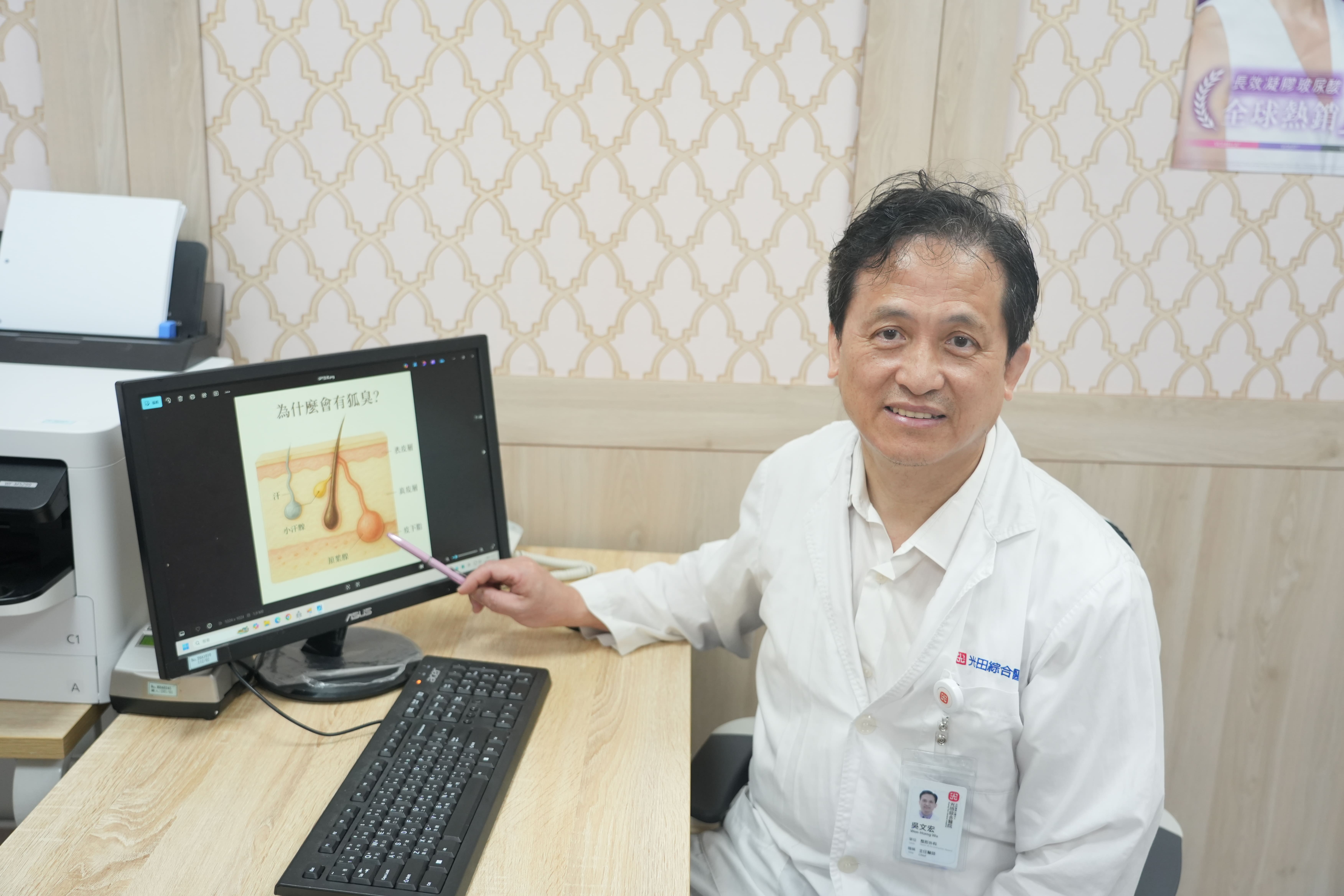
🔺根據吳文宏主任統計,近700位狐臭手術個案中,腋下狐臭佔88%、會陰9%、乳房3%「我不是不努力,是連我自己都沒發現的『味道』,終結了我的日本職涯。」28歲的林小姐來自高雄,外型亮麗、表現出色,原本在台灣日商公司深受肯定,獲得外派日本的機會,卻在當地職場遭遇重大打擊。同事私下向主管反映:「她身上有一股異味,客戶感受不好」,語氣雖婉轉,卻成為林小姐不得不回台的挫折。返台後她一度懷疑是壓力或清潔不當導致「汗臭」,嘗試各種止汗劑、體香膏,但仍難以擺脫那股無形壓力。輾轉之下,她來到光田綜合醫院整形外科吳文宏主任門診,經詳細問診及檢查後,確認是「頂漿腺分泌異常」導致的狐臭,且異味不只來自腋下,還包含私密部位。狐臭的診斷主要根據病史、氣味評估與部位觀察,並透過觸診與氣味強度判斷異味是否源自頂漿腺,無需抽血或影像檢查,但須由有經驗的專科醫師進行判別。吳文宏主任表示,林小姐屬於較少見的「多部位狐臭」,於是安排進行「迷你水刀狐臭手術」,針對腋下、會陰與乳房區域進行處理。主任進一步說明,這類手術看似簡單,實際上需在極小切口下精準刮除位於皮下的頂漿腺,避開神經與血管,保留足夠皮下血流,否則易導致皮膚壞死或異味殘留。尤其會陰及乳暈部位空間狹窄、血管神經密布,操作困難度更高,術中須極度謹慎,以減少術後感染與血腫風險。術後林小姐恢復良好,也重拾了與人接觸的自信。根據吳文宏主任統計,近700位狐臭手術個案中,腋下狐臭佔88%、會陰9%、乳房3%。特別的是,許多女性不自知私密處異味異常,大多是由伴侶發現、提醒才就醫。臨床上,有不少患者一開始誤以為是陰道感染,尋求婦科治療,卻久治未癒,直到轉診整形外科才釐清病因。「很多人會把『汗臭』和『狐臭』混為一談。」吳文宏主任解釋。汗臭是小汗腺分泌過多汗水引起,狐臭則是來自頂漿腺分泌偏油脂的黃色液體,洗澡、噴香水多半無效。若發現異味揮之不去,尤其伴隨濕黏、染衣等現象,就應考慮是否為狐臭,及早諮詢專業醫師。狐臭雖非重症,卻常造成心理陰影、社交障礙。隨著醫療技術進步與衛教推廣,越來越多人選擇透過手術處理,重拾日常自在。吳文宏主任提醒,不論男性女性,若長期困擾於異味問題,應勇敢求助,別讓氣味成為生活的隱形阻礙。立即預約整形外科|改善惱人異味吳文宏醫師感謝新聞媒體報導中央社TVBS自由新聞
2025/08/12

醫事服務
【眼袋手術】還你歲月與明亮有神明明年齡一樣,你卻看起來比較有年紀?因眼袋脂肪、淚溝、長期熬夜、皮膚鬆弛而有眼袋困擾根據個人狀況客製化治療方案,採用內開或外開的手術方式通常術後3~6個月自然無痕跡、緊緻紋路一次解決眼袋、淚溝問題。歡迎諮詢 美容醫學中心
2025/11/01
![<h2><span style="font-size:18px;"><strong>[光田e學院] 關於豐胸你一定要知道的事!整形外科 吳文宏醫師</strong></span></h2><p>罩杯升級不是夢<br>關於豐胸有些事情一定要知道</p><p>每個人都在追求更完美的自己!</p><p>除了從一般基本的生活飲食、適當的按摩與運動之外,<br>對於想讓自己更完美的你,<br>光田整形美容中心<br>也提供一個不一樣的安全選擇。</p><p>一起來聽看看<br>整形外科吳文宏主任告訴我們<br>1.會想豐胸的原因是什麼?<br>2.胸的方式有哪些呢?<br>3.些方式有哪些地方不一樣?<br>4.幾乎無失血,一次完成豐胸是如何做到的?</p><p>吳文宏主任的叮嚀<br>建議手術前諮詢,衛福部定整形外科專科醫師,<br>比較有保障。</p><p>光田e學院 健康一起來</p><p>如有任何疑問歡迎諮詢<br>#整形美容中心特診<br><a href="https://www2.ktgh.com.tw/ktgh/Medical/RegisteredDatetable/1019">👉 門診掛號連結</a><br> </p>](https://img.youtube.com/vi/EyreryMFyxg/0.jpg)
